Research

Dr Escribano's research sits at the intersection of operations research, machine learning and transport engineering. It focuses on three areas: humanitarian operations, manned and unmanned airspace management, and multi-modal autonomous fleets.

Humanitarian Operations

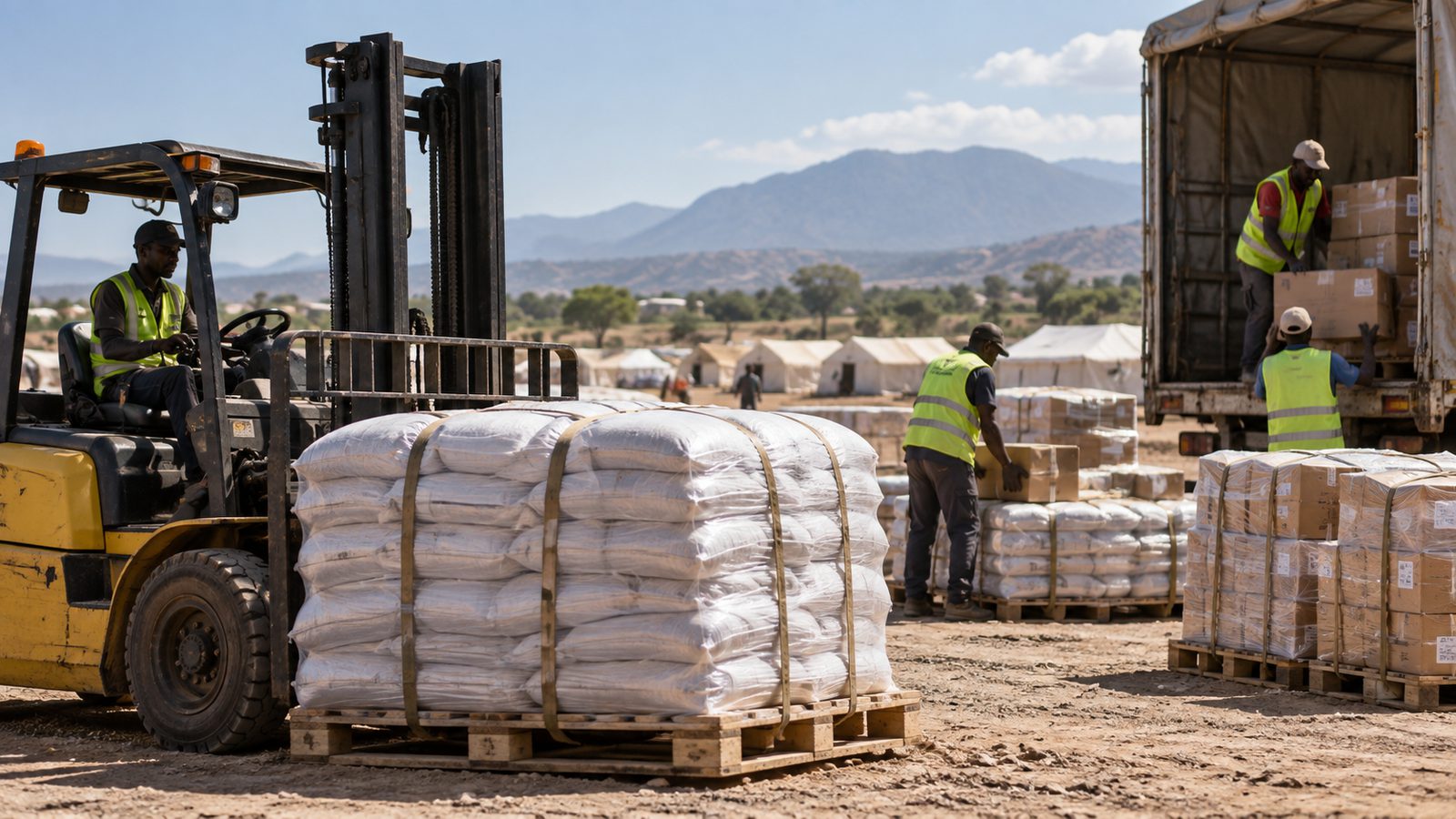
Disasters disrupt the transport networks that relief depends on. This work develops optimisation models for the design and evaluation of relief operations, from the location of supply hubs and the routing of relief vehicles and drones to assessing damaged road networks, and plans the rapid evacuation of constrained urban networks.

  • Relief distributionStochastic optimisation of relief delivery under uncertain road damage.
  • Medical logisticsHub selection and hospital delivery networks.
  • Damage assessmentDrone surveys of road damage to guide ground relief vehicles.
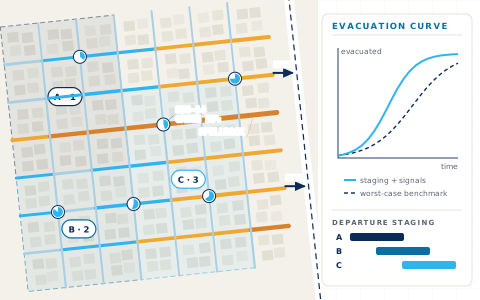
  • Evacuation planningDeparture scheduling and signal phasing for rapid evacuation.
Stochastic optimisationRelief logisticsEvacuation
View publications

Manned and Unmanned Airspace Management

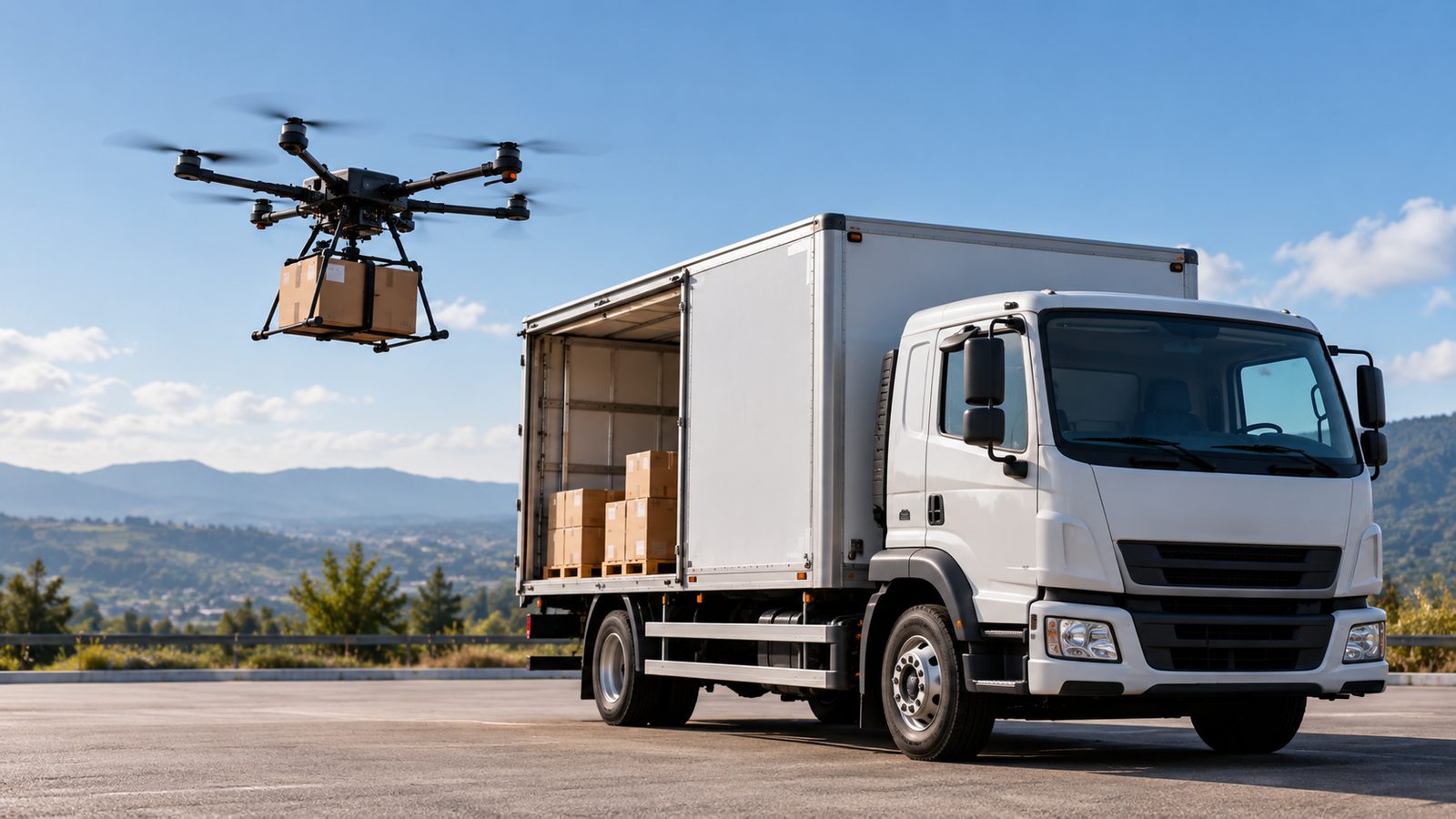
Growing traffic and the arrival of drones and air taxis put pressure on airspace capacity and safety. This work uses simulation, machine learning and optimisation to design airspace sectors, manage traffic flows and assess the safety and infrastructure needs of unmanned operations.

  • Dynamic sectorisationReinforcement learning for scalable airspace sector design.
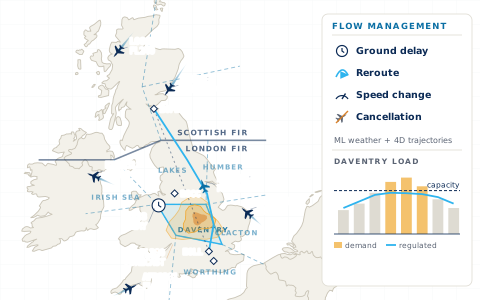
  • Flow managementDelays, reroutes and speed changes to balance demand and capacity.
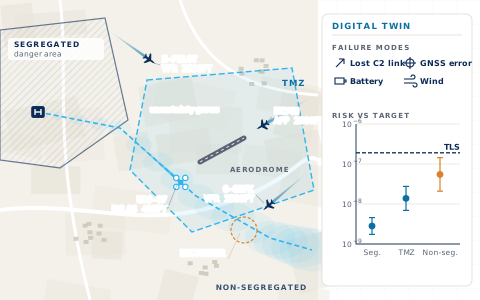
  • Drone safetySafety targets, trajectory prediction and traffic risk for unmanned aircraft.
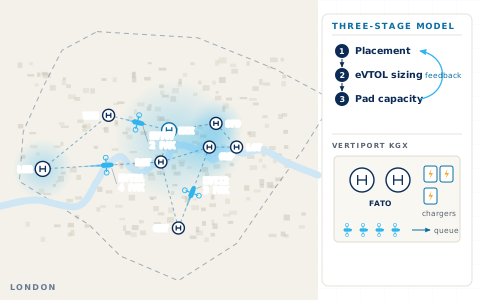
  • Vertiport planningPlacement, eVTOL sizing and capacity of vertiport networks.
Reinforcement learningAir trafficUASSimulation
View publications

Multi-modal Autonomous Fleets

Fleets of autonomous vehicles need coordinated decisions on routing, dispatching and rebalancing. This work develops multi-agent reinforcement learning and optimisation methods for fleet control, and simulation tools to test them in realistic urban and industrial settings.

  • Fleet dispatchingReal-time dispatching of autonomous haulage with deep reinforcement learning.
  • Last-mile deliveryMulti-agent learning and mobile parcel lockers for same-day delivery.
  • RidesharingPolicy and strategy evaluation for autonomous ridesharing in London.
Multi-agent RLSimulationLast-mile
View publications

Projects

Learning-augmented optimisationScience Tokyo2026 – 2027

Neural dynamic programming for humanitarian logistics

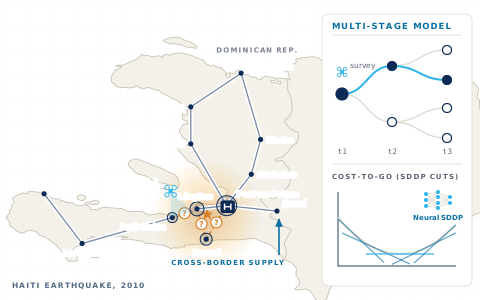
In the first hours of a disaster, what responders learn about demand, road damage and stock depends on where they send scarce survey resources such as drones, and planning under this decision-dependent uncertainty is intractable at realistic scale. This project formulates relief logistics as a multi-stage, distributionally robust stochastic programme, solves it with stochastic dual dynamic programming (SDDP), and uses Neural SDDP to learn value-function approximations across related disaster scenarios and warm-start the solver. The methods will be tested on relief networks based on the 2010 Haiti earthquake and a Japanese earthquake case.

Partners: Institute of Science Tokyo (Dr Riki Kawase)
stochastic optimisationmachine learninghumanitarian logistics
Evacuation behaviourSabancı University2026 – 2027

Human behaviour and human-drone interaction in disaster response

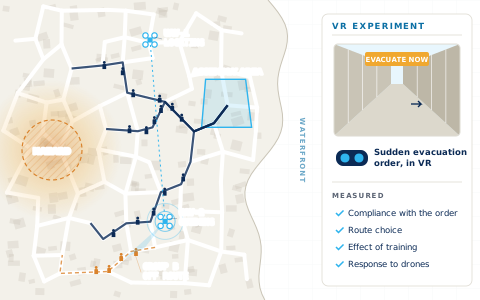
Evacuation plans rarely account for how people behave under stress, and relief models seldom capture how new information changes their decisions. This project uses virtual-reality experiments and surveys to study how people respond to sudden evacuation orders, how training affects their choices and why they deviate from safe routes. It then extends endogenous stochastic optimisation to human-drone interaction, modelling drones as multi-agent systems that locate and guide evacuees under changing conditions. The work includes the co-supervision of two PhD students and a Disaster Preparedness Workshop at Sabancı University.

Partners: Sabancı University (Prof. Raha Akhavan-Tabatabaei)
Researchers: Jacob Samuels
evacuationvirtual realityUAVs
Food supply chainsAIMS-Cameroon2024

Cold-chain optimisation of food supply chains in Cameroon

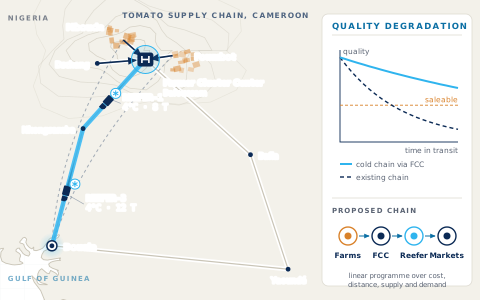
Perishable produce from smallholder farms loses quality quickly, and fragmented transport adds cost for farmers and traders. This project, a collaboration with AIMS Cameroon, redesigns the tomato supply chain from the Western Highlands (Foumbot and Mbouda) around a Farmer Cluster Center in Bafoussam, where farmers pool their produce before refrigerated transport to markets in Douala. A linear programming model allocates flows given transport costs, distances, supply and demand, with a quality degradation model that accounts for time, initial quality and temperature. Compared with the existing chain, the proposed design improved product quality and lowered costs.

Partners: African Institute for Mathematical Sciences (AIMS) Cameroon (Dr Daniel Tcheutia, Dr Aurelien Junior Noupelah)
  • Food supply chains optimization considering cold-chains and food security (2024, AIMS Cameroon MSc essay; Chilonga)
food securitycold chainoptimisation
Air traffic managementICON2022 – 2024

Simulation of civil aviation networks and air traffic control

Weather and other disruptions force air traffic managers to rebalance demand and capacity across a whole network. This project built a modular, agent-based simulation of a civil aviation network and its control, combining machine-learning wind and convective weather prediction, 4D trajectory planning and a trajectory prediction model. Around this core it evaluated dynamic airspace sectorisation and developed an air traffic flow management model that assigns delays, reroutes, speed changes and cancellations, using UK airspace (the London and Scottish flight information regions) as the test case.

Researchers: Wenxuan Wang
air trafficsimulationoptimisation
Urban air mobility2023

Vertiport network design for urban air mobility

Where to place vertiports, how to size electric air taxis and how much infrastructure each vertiport needs are interlinked decisions that are usually taken separately. This project combines them in a three-stage model with a feedback loop, using queuing theory to size take-off, landing and charging pads. Applied to a London case study, it shows that ignoring vehicle sizing and vertiport queuing can produce networks that cannot operate, and that short waiting times are key to controlling costs. A companion study linked vertiport placement to demand, combining a binary logit mode-choice model, with taxi travel times from PTV Visum, and a hub location model for airport services connecting London and nearby cities with Heathrow and Gatwick.

urban air mobilitynetwork designqueuing
Evacuation managementJSPS2023

Rapid evacuation of urban transport networks

Large-scale evacuations are often held back by congestion, imperfect coordination and damaged transport networks. This project developed a hybrid simulation-optimisation method that plans evacuations through demand staging and signal phasing, evaluating policies with a dynamic traffic assignment model that captures congestion, queuing and vehicle spillback, and searching for the best strategies with derivative-free optimisation. Combining departure time scheduling with signal phasing improved evacuation efficiency over a worst-case benchmark. A follow-up study models and optimises how drones can support evacuation management.

evacuationsimulationtraffic signals
UAS safetyUK CAA2022

Target Level of Safety for unmanned aircraft systems

Before drones can fly beyond visual line of sight alongside manned aircraft, regulators need a target level of safety against which operations can be assessed. This study for the UK Civil Aviation Authority reviewed existing methods, classified UAS failure modes and sources of trajectory uncertainty, and proposed an agent-based digital twin of drone and manned air traffic. The approach assesses safety in segregated airspace, Transponder Mandatory Zones and non-segregated airspace.

Partners: UK Civil Aviation Authority
Researchers: Wenxuan Wang
UASsafetysimulation
Humanitarian logisticsEPSRC2015 – 2021

Drone-assisted humanitarian relief
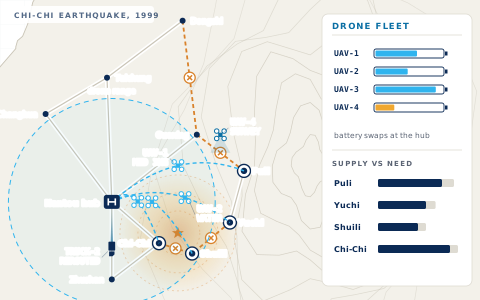
Drones can reach disaster areas quickly, but their range, battery management and fit with the wider relief supply chain limit how they are used. This project developed models that plan drone delivery of medical and relief supplies from field hubs, accounting for flight energy, battery management and fair distribution, and that coordinate drone surveys of road damage with ground relief vehicles when network conditions are uncertain. The models were tested on case studies based on the 1999 Chi-Chi earthquake in Taiwan and the 2010 Haiti earthquake.

humanitarian logisticsUAVsoptimisation

Collaborate on research

Dr Escribano works with industry and government bodies on transport and logistics problems, through joint projects, consultancy and PhD studentships.

Get in touch